One Health in Action: Creating a Safer Future Through Rabies Free Africa
April 22, 2026
 The work of a veterinarian extends far beyond the walls of a clinic. It reaches into the heart of global health and the interconnectedness of animals, people, and the environment—a concept referred to as One Health. Recently, Dr. Michelle Shoemaker, Chief Veterinary Officer, hosted a webinar to discuss a cause she is incredibly passionate about: the reality of rabies globally and how we, as a veterinary community, are part of a solvable solution. In the webinar, she shared:
The Reality of Rabies
While we rarely see rabies in North America, it remains a daily reality for thousands of families across Africa and Asia. The statistics are sobering:
-
60,000 deaths occur annually, though experts believe underreporting could put that number closer to 150,000
-
50% of these deaths are children
-
99% of human cases are transmitted by domesticated dogs
In these regions, the issue isn't a lack of science—we’ve had an effective vaccine since 1885. The issue is access. For a family living on $100 to $300 a year, the cost of post-exposure treatment (which can reach $125) is often impossible. Families are forced to make heartbreaking choices, such as selling their only cow—their source of income and security—just to afford basic wound care.
The Serengeti Success Story
The power of the One Health approach was proven in the Serengeti. In the 1990s, rabies was devastating local wildlife, including the near-extinction of wild dogs in the National Park. Research revealed that the disease was being maintained by domesticated dogs, who then passed it to wildlife. By pivoting to vaccinate the domestic dog population, the results were miraculous:
-
Zero cases of rabies in wild animals in Serengeti National Park since 2003
-
Human rabies deaths dropped to nearly zero in the vaccinated regions
Innovation and Sustainability
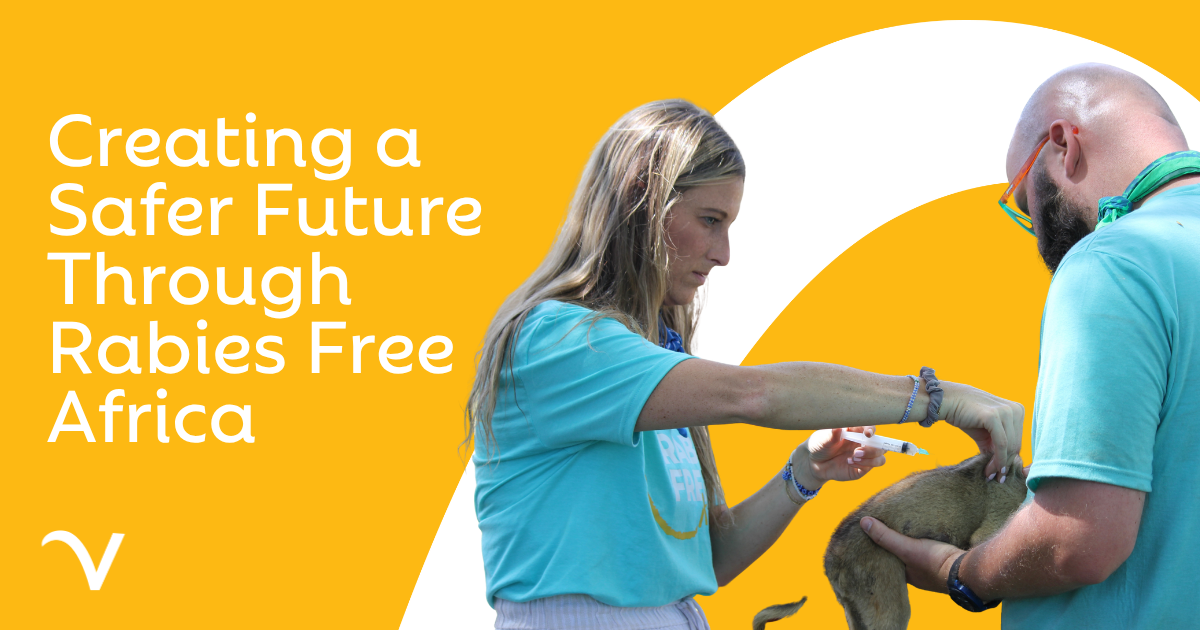
Rabies Free Africa, a global health initiative out of Washington State University, is leading the way in sustainable eradication. Their work isn't just about temporary clinics; it’s about building systems that last. They are utilizing incredible innovations to overcome infrastructure challenges: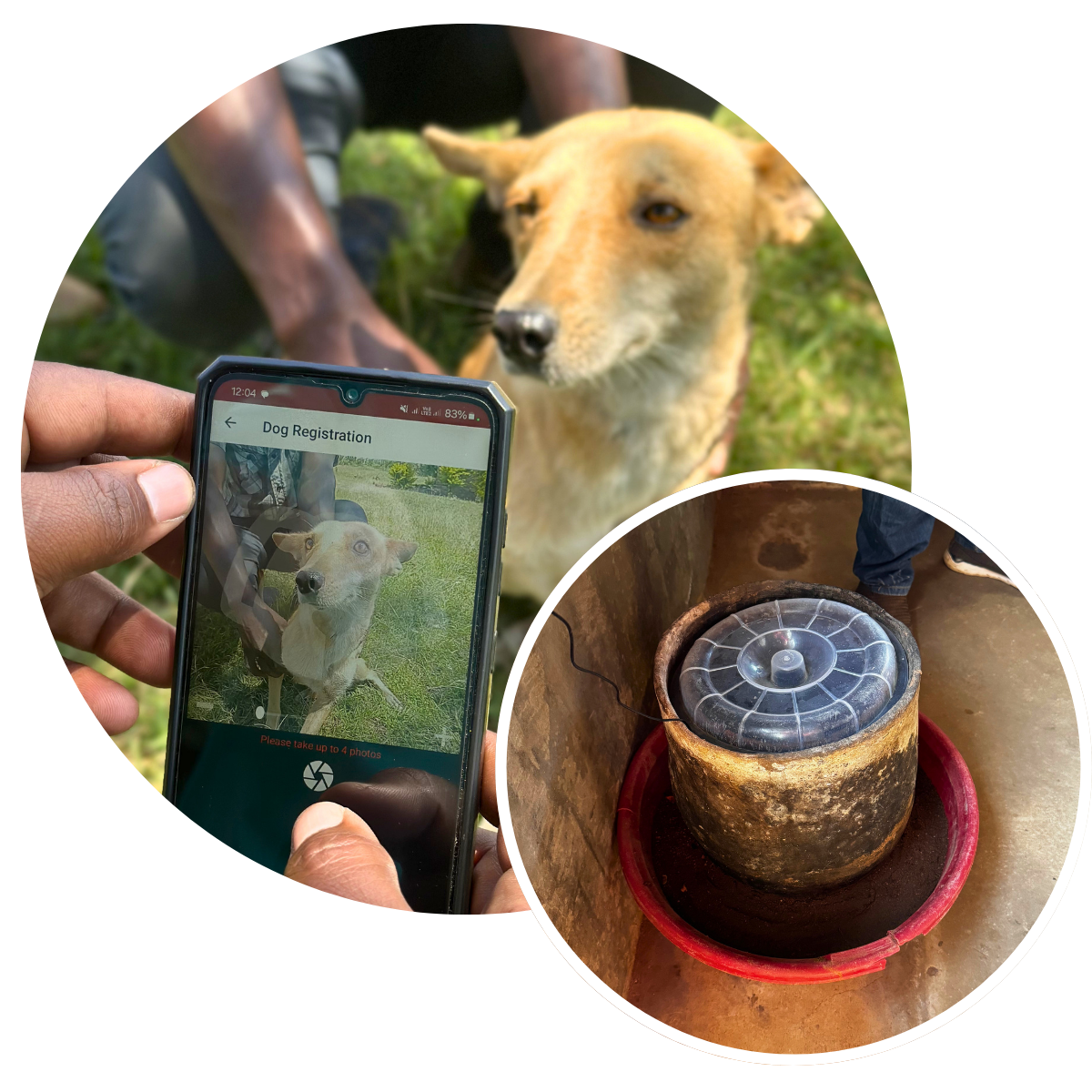
-
The Zeepot: A storage solution that allows vaccines to stay viable for months without refrigeration
-
Facial Recognition: Technology used to accurately track which animals have been vaccinated at scale
-
Local Empowerment: Training local teams and engaging community leaders so the program continues long after outside teams leave
Vetcor’s Commitment to One Health
Vetcor is proud to have partnered with Rabies Free Africa. As part of our commitment, select hospitals participate in a give-back campaign, donating $1 for every rabies vaccine administered. These funds go directly to supporting global vaccination efforts. Beyond financial support, our team members have the opportunity to serve as Rabies Ambassadors, participating in trips to Tanzania to work on the ground. They return not just with stories of saving lives, but with a reinvigorated sense of purpose in their profession.
-
ICYMI: Read about our 2025 trip to Tanzania
-
RFA Virtual 5K: Read how Dr. Anastasia McIntosh was inspired to support the cause
Be Part of the Rabies Solution at Vetcor
Ending rabies takes action, that action starts with veterinarians. Rabies is 100% preventable, and by working here, you become part of the solution that protects animals, people, and entire communities. Through everyday clinical care, public health partnerships, and community outreach, Vetcor veterinarians make prevention possible. Sometimes, all it takes is one vaccine to save a life. At Vetcor, you’re empowered to deliver that impact every day.